Haircare: How to maintain and nourish hair as a hijabi
10/26/20253 min read
1. Keep your scalp clean & balanced
A healthy scalp equals healthy hair, especially when it’s covered most of the day.
Wash your hair 1–3 times per week
Over-washing strips moisture, but under-washing can cause oil buildup, itching, and dandruff.
Choose a gentle, sulphate-free shampoo
Look for scalp-friendly formulas:
All are great for dry or brittle hair.
Add a weekly scalp scrub or exfoliant
Great for removing build-up and improving circulation:
Rice Water or Rosemary Water scalp rinse (easy DIY)
This prevents the “itchiness under hijab” problem most hijabis struggle with.
2. Prioritise moisture! Your hair will thank you
Hair covered all day tends to become dry, especially at the ends.
Use a rich conditioner every wash
Our personal and affordable favourites for adding essential softness back into your hair:
Apply a leave-in conditioner before tying your hair
This protects hair from friction under the scarf:
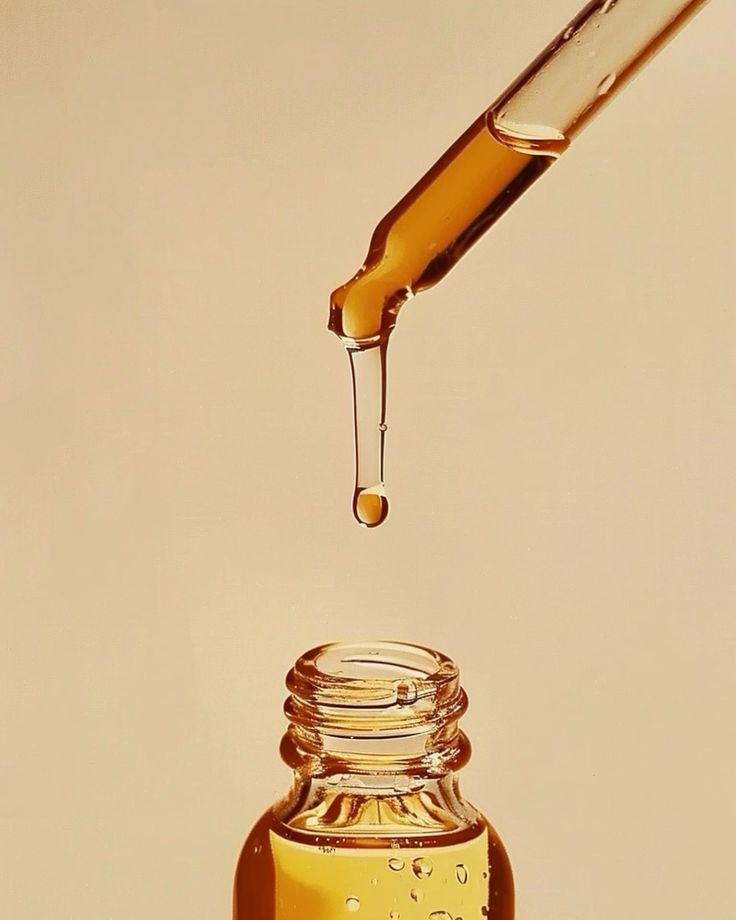
Seal the ends with a light oil
Especially helpful if you have dryness or breakage. Best oils we recommend:
Lightweight hair serums
3. Avoid tight hairstyles under your hijab
Tight buns can cause breakage and tension hair loss (traction alopecia).
Go for loose, comfortable styles:
Low loose bun
Low ponytail
Loose braid
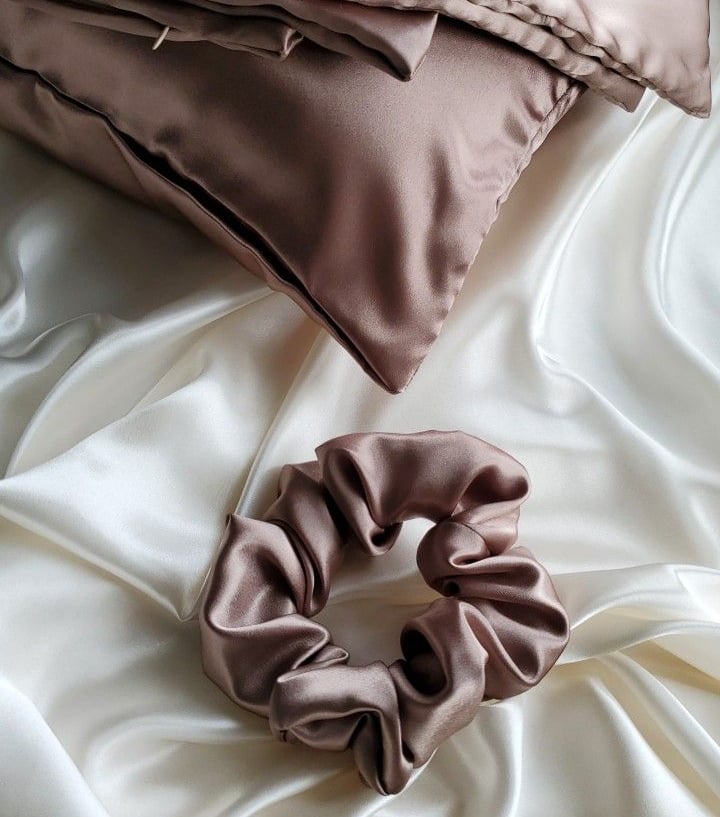
Use silk or satin scrunchies instead of rubber bands
This prevents pulling around the hairline and reduces headache tension.
4. Choose hijab materials that are kinder to hair
The fabric you wear really matters.
Best for hair health:
Jersey
Modal
Cotton blends
Silk-lined underscarves
These allow airflow and reduce friction.
Fabrics that can cause dryness or friction if worn daily:
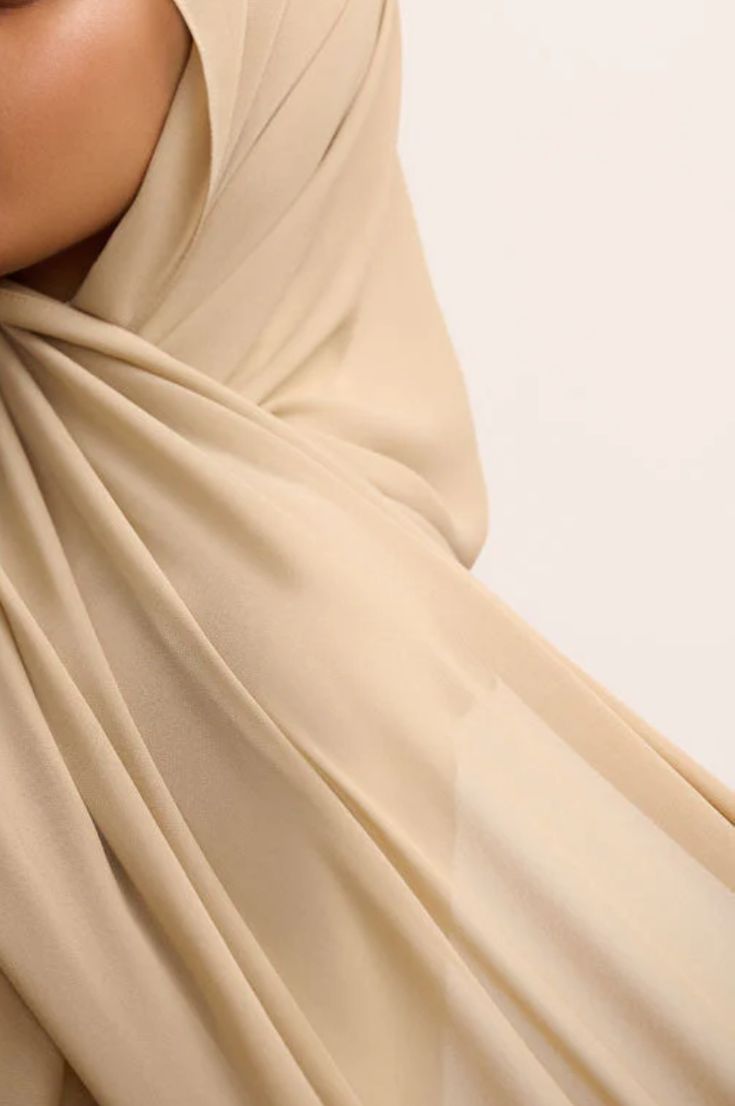
Chiffon
Polyester
Satin without an undercap (still fine, just use a soft undercap underneath!)
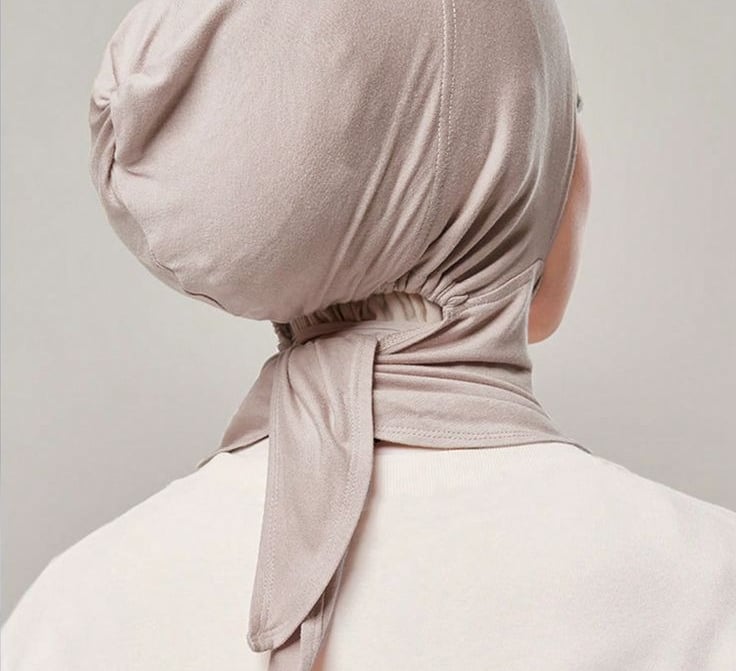
Use a silk/satin undercap
This is one of the best investments for hijabi hair. It reduces friction and breakage.
5. Night Routine: let your hair breathe
When you get home, try to:
Uncover your hair
Loosen your bun or ponytail
Brush gently
Let your scalp breathe for 30–60 minutes
Sleeping on a satin pillowcase also helps reduce frizz and breakage.
6. Avoid wearing wet hair under your hijab
This is a big one! Covering wet or damp hair can lead to:
Scalp irritation
Fungal issues
Smell or mildew over time
Breakage (wet hair is fragile)
Always dry your hair before styling your hijab.
Conclusion
Your hijab does not damage your hair, lack of a healthy routine does. With gentle care, the right fabrics, moisture, and a loose hairstyle, your hair can remain strong, thick, and beautiful.
Click here to download our free guide on maintaining your hair!
Introduction
Here at Notes of Noor, we're a team of hijabis who fully understand and appreciate the difficulties of having and maintaining hair while wearing hijab. Below is a gentle, practical guide to maintaining healthy hijabi hair; including scalp care, moisture routines, and product recommendations. Read to the end to download our free checklist on maintaining healthy hair!